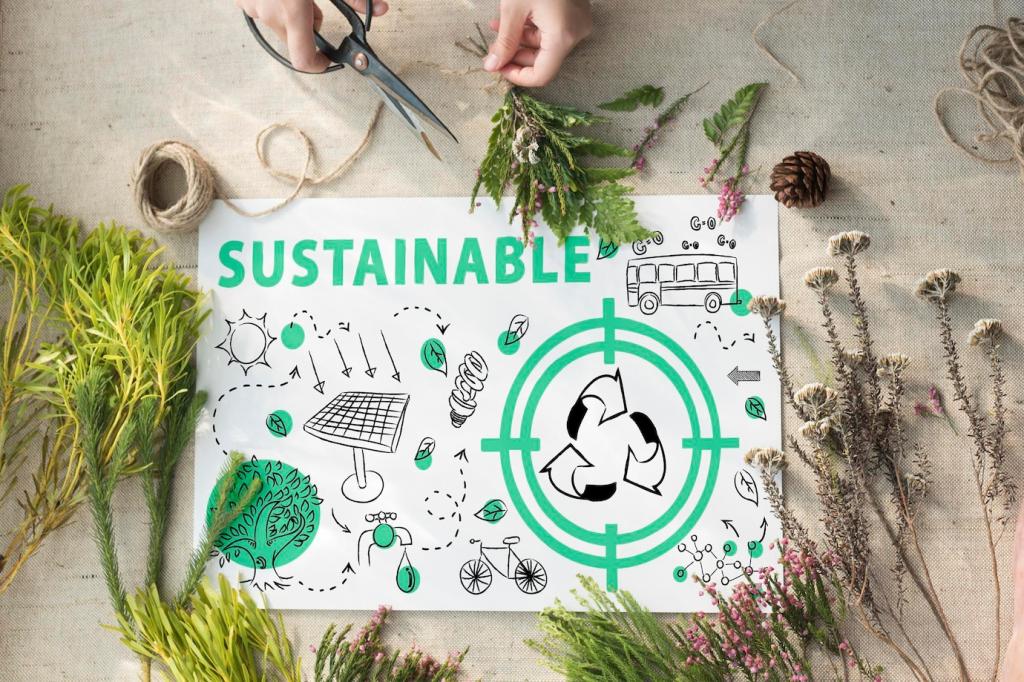
Balancing Economic Growth with Environmental Responsibility
Today’s chosen theme: Balancing Economic Growth with Environmental Responsibility. Welcome to a practical, hopeful space where profit and planet meet. Explore grounded strategies, inspiring stories, and actionable tools—and join the conversation by subscribing, commenting, and sharing your experiences.
The double bottom line pressure
Leaders face simultaneous demands for growth and responsibility, from investors asking for resilient returns to communities demanding clean air. Getting both right is not a luxury—it is the only way to sustain prosperity in a resource-constrained world.
A short story from a coastal factory town
When storms flooded access roads, a local plant invested in energy efficiency and wetlands restoration to cut downtime. Productivity rose, insurance costs fell, and neighbors saw tangible benefits. Growth endured because nature was treated as critical infrastructure.
Your voice in the balancing act
What trade-offs are you navigating right now—supply chain shifts, energy prices, or community expectations? Share a comment or subscribe for weekly case studies, so your challenges inform the next guide we publish for this community.
Smart carbon pricing that protects households
Predictable carbon prices guide investment toward cleaner options while revenue recycling cushions vulnerable families. The result is clear market signals for businesses and political durability for society—an approach that accelerates growth where it counts: low-carbon competitiveness.
Regulation that rewards innovation
Performance-based standards set targets, not technologies. Firms that outperform gain speed to market, while laggards catch up without stifling experimentation. This balance encourages risk-taking that creates jobs and reduces emissions across entire sectors over time.
Public procurement as a market signal
Governments can catalyze demand by buying low-carbon steel, cement, and transport services. Early, guaranteed orders help scale cleaner manufacturing, lowering unit costs and spreading opportunity to suppliers eager to innovate without betting the company on uncertain markets.
Green Technologies Powering Sustainable Growth
Electric fleets, heat pumps, and smart buildings cut operating costs while reducing pollution. Modern grids—with storage, flexible demand, and digital controls—unlock reliability and resilience, enabling businesses to grow with cleaner, cheaper, and more predictable energy.
Green Technologies Powering Sustainable Growth
Designing for repair, reuse, and remanufacturing transforms waste into margins. Firms that treat materials as assets, not disposables, stabilize supply, reduce volatility, and create high-quality local jobs—proof that resource efficiency is a competitive growth strategy.
Financing the Transition
Concessional capital, guarantees, and first-loss tranches can attract private lenders to emerging markets and new technologies. This pragmatic sequencing brings costs down, proves performance, and crowds in capital that sustains long-term, responsible economic expansion.
Focus on indicators that drive decisions: lifecycle emissions, energy intensity, water risk, and local air quality. Material metrics align teams, accelerate learning, and ensure environmental responsibility supports revenue growth rather than becoming a disconnected reporting exercise.